
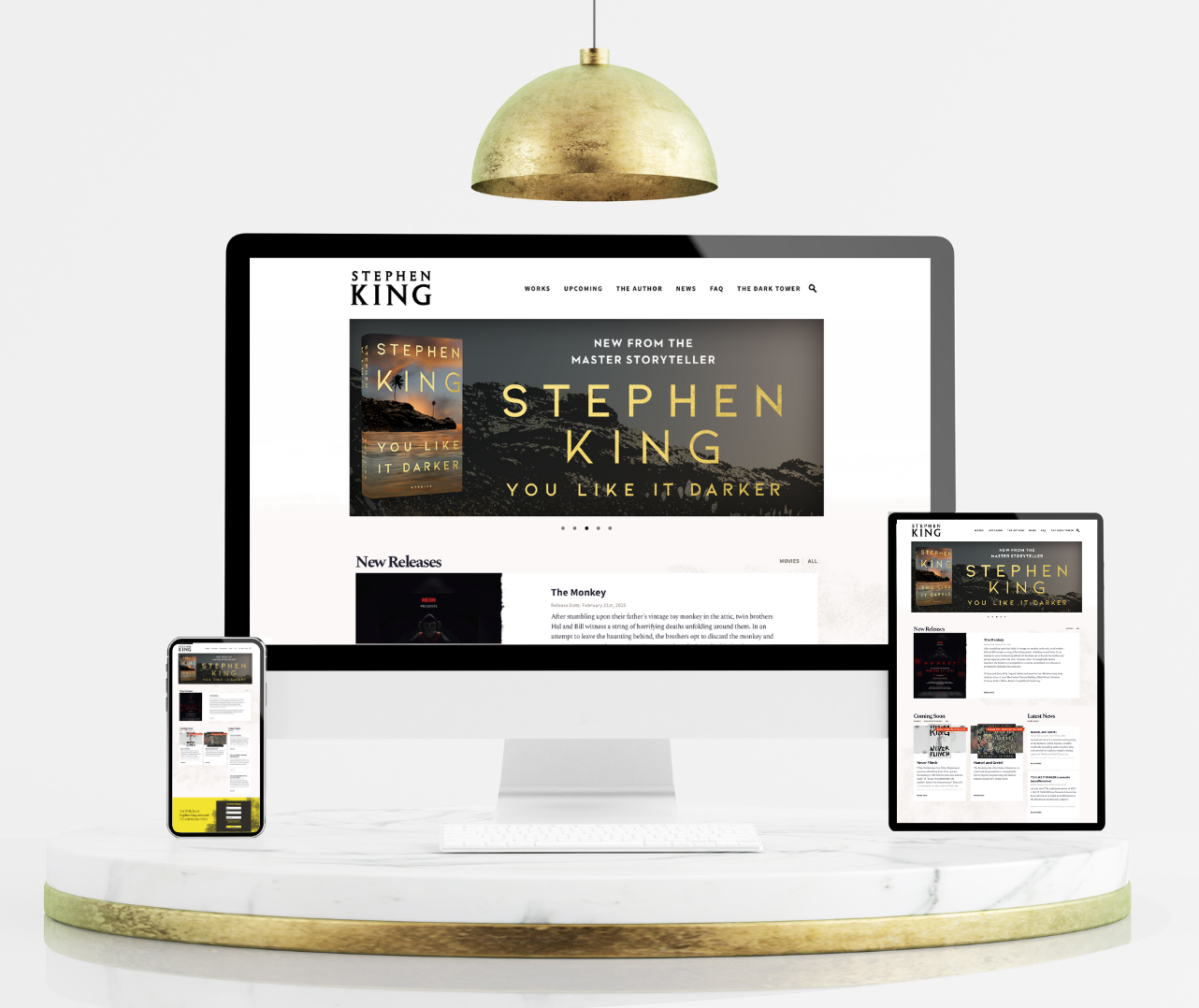
Do You Really Need An Author Website?
With platforms like Instagram, Facebook, and Amazon Author Pages, it might seem like a website is unnecessary. After all, readers can already find you and your books online—right?
The idea of holding a published book in your hands is exciting—yet the process of getting there can feel overwhelming. Where do you even start? How do you know if your idea is worth writing about? What happens after you finish the first draft?
We know that every writer’s journey is different. Self-publishing isn’t just about putting words on a page—it’s about turning your passion into a finished product that readers will love. Whether you’re writing a novel, a memoir, a self-help book, or even a journal, this step-by-step guide will help you move from idea to publication with clarity and confidence.
Step 1: Define Your Book’s Purpose
Before you start writing, it’s important to get clear on why you’re writing this book and who it’s for.
• Who is your ideal reader? Understanding your audience will shape everything from your writing style to your marketing strategy.
• What do you want your book to achieve? Is it meant to educate, inspire, entertain, or solve a problem?
• What makes your book unique? If there are already similar books on the market, what will make yours stand out?
Example: If you’re writing a self-help book about productivity, think about who your reader is—are they entrepreneurs, students, or busy parents? A clear audience focus will make your book more compelling.
Research Insight: According to Kindlepreneur, books that clearly define their niche and audience tend to perform better in Amazon rankings than broad, unfocused books.
Step 2: Outline Your Book (Even If You Hate Outlining)
Some writers love outlines, while others feel like they kill creativity. But even if you prefer to “write as you go,” having a basic roadmap will help prevent writer’s block and keep your book structured.
• Break your book into sections or chapters so you have a logical flow.
• Jot down key points or stories you want to include in each chapter.
• Decide on your format—Will it be a step-by-step guide? A narrative-driven book? A mix of both?
Example: A memoir might follow a chronological timeline, while a nonfiction book could be structured into lessons or themes.
Real-World Tip: Many bestselling authors use a loose outline rather than a rigid one—it keeps them focused without feeling restrictive.
Step 3: Set a Realistic Writing Plan
Writing a book doesn’t require endless free time—it just requires consistency. Many first-time authors give up because they don’t set a writing routine.
• Set a realistic daily or weekly writing goal (e.g., 500 words per day).
• Find your most productive time of day and block it off for writing.
• Use writing tools like Scrivener, Google Docs, or even a simple notebook to stay organized.
Example: If your goal is 50,000 words, writing 1,000 words a day means you could have a full first draft in 50 days.
What Works: Authors who set small, achievable goals (like writing for 30 minutes a day) are more likely to finish their books than those who wait for “inspiration.”
Step 4: Edit & Revise Like a Pro
Many new authors think their first draft is the final version—but in reality, great books are rewritten, not just written.
• Self-edit first – Read your book out loud to catch awkward phrasing.
• Use editing tools – Grammarly and ProWritingAid can help refine your writing.
• Get beta reader feedback – Ask a few trusted readers for honest input.
• Consider professional editing – A developmental editor can refine structure, while a copyeditor polishes grammar and flow.
Industry Insight: Books that go through multiple rounds of editing receive better reader reviews and higher engagement.
What to Expect: Even experienced authors go through at least three rounds of revision before publishing.
Step 5: Choose Your Publishing Path
Once your manuscript is polished, it’s time to decide how to publish your book.
• Self-Publishing – You keep full creative control but handle everything from formatting to marketing.
• Traditional Publishing – A publisher takes care of editing, design, and distribution, but you give up some control.
• Hybrid Publishing – A mix of both, where you pay for services but retain ownership.
Which One is Right for You?
• If you want speed, control, and higher royalties, self-publishing is a great choice.
• If you want industry validation and are okay with a long process, traditional publishing might be for you.
Final Thoughts: Every Book Starts with One Step
Turning your passion into a book is an achievable goal—as long as you have a clear roadmap. The hardest part is starting. Whether you plan to self-publish or traditionally publish, taking small, consistent steps will get you there.
Recommended Resources & Further Reading
For those who want to dive deeper, here are some trusted industry sources:
• Reedsy’s Guide to Self-Publishing → Reedsy.com/self-publishing
• Kindlepreneur’s Niche Research Guide → Kindlepreneur.com/amazon-keywords
• Scrivener Writing Software (For Organization) → LiteratureAndLatte.com
• Grammarly (For Editing Assistance) → Grammarly.com
With platforms like Instagram, Facebook, and Amazon Author Pages, it might seem like a website is unnecessary. After all, readers can already find you and your books online—right?

Self-publishing gives authors complete control over their work, but it also means handling the legal and administrative aspects of publishing yourself.